Hair loss is a common concern affecting both men and women across different age groups. Whether it is due to genetics, hormonal imbalance, stress, medical conditions, or lifestyle factors, losing hair can impact confidence and self-esteem. Fortunately, modern cosmetic solutions have made it possible to restore the appearance of natural hair without surgery. One such popular solution is hair fixing.
In this article, we will explain what hair fixing is, how it works, the types of hair fixing methods, its benefits, who it is suitable for, and aftercare tips, helping you make an informed decision.
What Is Hair Fixing?
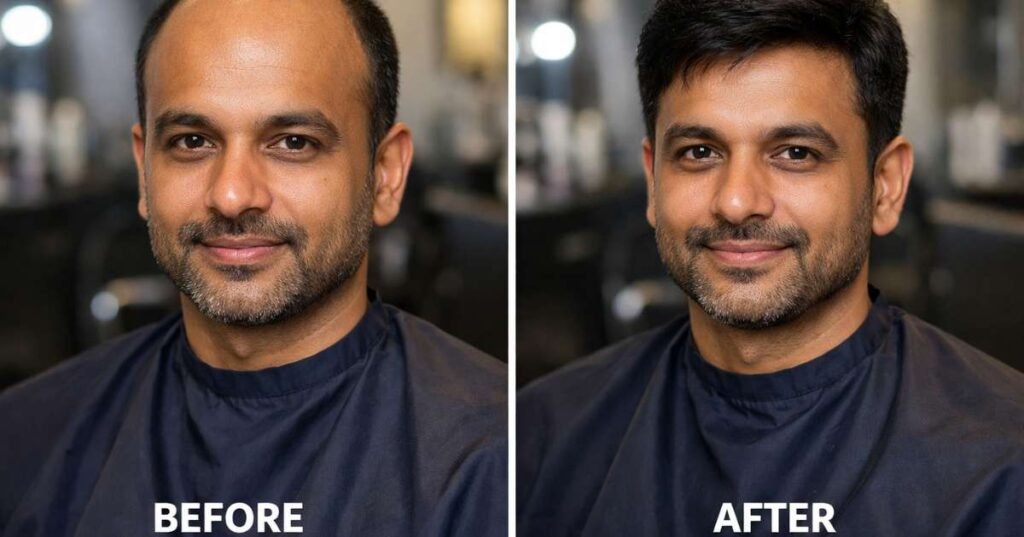
Hair fixing is a non-surgical hair replacement technique in which an artificial or natural hair system is attached to the scalp to cover bald or thinning areas. Unlike hair transplantation, hair fixing does not involve surgery, cuts, or stitches. Instead, a customized hair patch or hair system is designed to match your hair texture, density, and color, giving a natural appearance.
Hair fixing is also known as:
-
Hair patch fixing
-
Hair bonding
-
Non-surgical hair replacement
This method provides instant results, making it an ideal option for people who want quick hair restoration without pain or downtime.
How Does Hair Fixing Work?
Hair fixing follows a systematic process to ensure natural-looking and long-lasting results. Here’s a step-by-step explanation:
1. Scalp Analysis and Consultation
The process begins with a professional consultation where experts analyze your scalp condition, hair loss pattern, lifestyle, and expectations. Based on this analysis, they recommend the most suitable hair fixing solution.
2. Hair System Customization
A customized hair system is created using either natural human hair or high-quality synthetic hair. The hair system is tailored to match:
-
Hair color
-
Hair density
-
Hair texture
-
Hairline shape
This customization ensures that the hair blends seamlessly with your existing hair.
3. Scalp Preparation
Before fixing the hair system, the scalp is cleaned thoroughly to remove oil, sweat, and dirt. This step ensures better adhesion and long-lasting attachment.
4. Hair Fixing Method
The hair system is then attached to the scalp using one of the following methods:
-
Adhesive bonding
-
Clips
-
Tapes
-
Micro skin bonding
The method chosen depends on your scalp condition, lifestyle, and comfort.
5. Styling and Final Touch
Once the hair system is fixed, professional styling is done to blend the patch with natural hair. The result is a realistic, natural-looking hairstyle.
Types of Hair Fixing Methods
Different hair fixing techniques are available to suit individual needs:
1. Glue or Adhesive Hair Fixing
A medical-grade adhesive is used to attach the hair system securely to the scalp. This method provides strong hold and is suitable for people with active lifestyles.
2. Clip Hair Fixing
Small clips are attached to the hair system and clipped onto natural hair. This is a temporary method and allows easy removal.
3. Tape Hair Fixing
Special double-sided tapes are used to fix the hair system. It is lightweight and comfortable for daily wear.
4. Micro Skin Hair Fixing
A thin polyurethane layer is used to mimic the natural scalp, giving an extremely realistic appearance.
Benefits of Hair Fixing
Hair fixing has gained popularity due to its multiple advantages:
-
Non-surgical and painless
-
Instant visible results
-
No recovery time required
-
Affordable compared to hair transplant
-
Natural look and feel
-
Customizable hairstyles
-
Safe and reversible solution
Who Is Hair Fixing Suitable For?
Hair fixing is ideal for:
-
Men and women experiencing partial or complete baldness
-
People not eligible for hair transplant
-
Individuals with medical hair loss (alopecia, chemotherapy, etc.)
-
Those looking for instant hair restoration
-
People who prefer non-invasive solutions
Hair Fixing vs Hair Transplant
| Feature | Hair Fixing | Hair Transplant |
|---|---|---|
| Surgery | No | Yes |
| Results | Instant | Takes months |
| Pain | Painless | Mild to moderate |
| Cost | Affordable | Expensive |
| Downtime | None | Required |
Maintenance and Aftercare Tips
To ensure long-lasting results, proper care is essential:
-
Use mild, sulfate-free shampoos
-
Avoid excessive heat styling
-
Schedule regular maintenance visits
-
Keep scalp clean and dry
-
Follow professional advice for re-fixing
With proper care, a hair system can last 6 months to 1 year or more.
Is Hair Fixing Safe?
Yes, hair fixing is completely safe when done by experienced professionals using quality materials. There are no side effects when proper hygiene and maintenance are followed.
Final Thoughts
Hair fixing is a modern, effective, and non-surgical solution for hair loss that delivers immediate and natural-looking results. It is an excellent option for those who want to restore their confidence without undergoing surgery. With advanced techniques and professional care, hair fixing can help you look and feel your best every day.
If you are struggling with hair loss and want a hassle-free solution, carehairstudio could be the perfect choice for you.