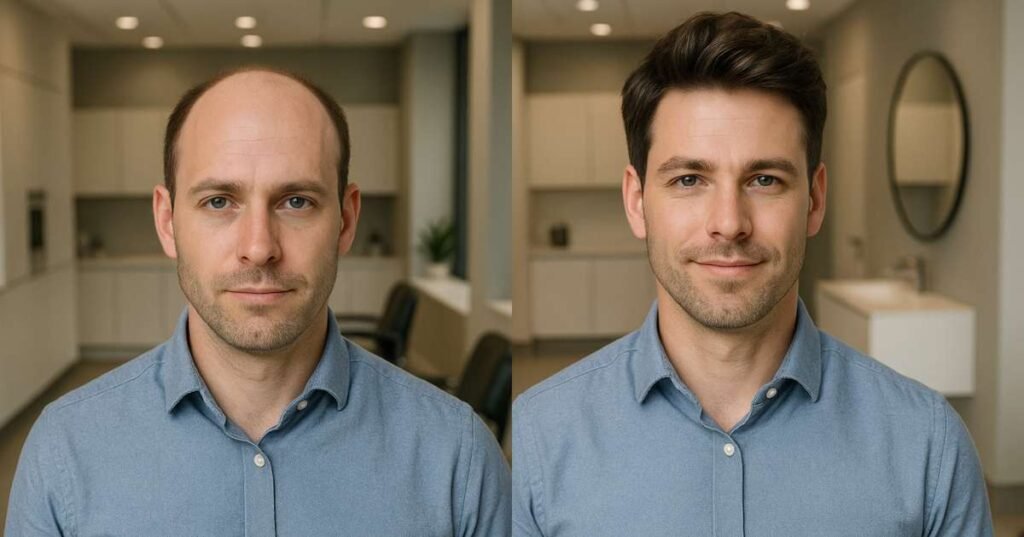
Hair loss is no longer just a cosmetic concern—it directly impacts confidence, self-image, and overall quality of life. With advancements in hair restoration solutions, people today have multiple options to address thinning hair or baldness. Among these, non-surgical hair fixing has emerged as a highly preferred alternative to traditional hair transplant surgery.
Across India and globally, an increasing number of men and women are choosing non-surgical hair replacement systems over surgical procedures. But what exactly makes non-surgical hair fixing so popular? Let’s explore the top reasons why people are moving away from surgery and embracing this modern, hassle-free solution.
1. No Surgery, No Pain, No Risk
One of the biggest reasons people prefer non-surgical hair fixing is simple: it does not involve surgery.
Hair transplant procedures require incisions, graft extraction, anesthesia, and stitches. This automatically brings risks such as:
-
Pain and discomfort
-
Bleeding
-
Infection
-
Swelling
-
Post-surgery complications
In contrast, non-surgical hair fixing is completely painless and non-invasive. The hair system is fixed using advanced skin-friendly techniques such as bonding, clipping, or taping—without cutting the scalp or damaging natural hair.
For individuals who fear medical procedures or have low pain tolerance, non-surgical hair fixing is a stress-free solution.
2. Instant Results Without Waiting Months
Hair transplant surgery requires patience. Even after spending a significant amount of money, visible results may take 6 to 12 months, and sometimes longer. There is also a chance of uneven growth or graft failure.
Non-surgical hair fixing, on the other hand, offers instant transformation.
Within a few hours:
-
Bald patches disappear
-
Hair density looks natural
-
Hairline is perfectly designed
-
Overall appearance improves immediately
This instant gratification makes non-surgical hair fixing ideal for:
-
Working professionals
-
Brides and grooms
-
Public-facing individuals
-
People attending important events
There’s no waiting period—walk in with hair loss, walk out with confidence.
3. Suitable for All Types of Hair Loss
Not everyone is an ideal candidate for hair transplant surgery. People with:
-
Advanced baldness
-
Insufficient donor area
-
Medical conditions (diabetes, BP, skin disorders)
-
Previous failed transplants
often get rejected or face poor results from surgery.
Non-surgical hair fixing works for almost all stages and types of hair loss, including:
-
Male pattern baldness
-
Female hair thinning
-
Alopecia
-
Patchy hair loss
-
Scalp scars or burns
Since it doesn’t depend on donor hair, anyone can opt for this solution regardless of age or hair loss severity.
4. Natural Look and Customization
A common myth is that non-surgical hair systems look artificial. In reality, modern non-surgical hair fixing systems are highly advanced and realistic.
These systems are:
-
Custom-designed based on scalp size
-
Matched perfectly with hair color and texture
-
Styled to suit face shape and age
High-quality human hair systems blend seamlessly with existing hair, making it almost impossible for others to identify that you’re wearing a hair replacement system.
Unlike surgery, where results depend on graft survival, non-surgical hair fixing guarantees consistent density and uniform appearance.
5. Cost-Effective Compared to Hair Transplant Surgery
Hair transplant surgery can be extremely expensive, especially when multiple sessions are required. In addition to the surgery cost, there are expenses for:
-
Medications
-
Follow-up visits
-
PRP treatments
-
Post-operative care
Non-surgical hair fixing is comparatively more affordable and flexible. Clients can choose from various options based on:
-
Hair quality
-
System type
-
Maintenance preferences
-
Budget
Most importantly, there are no hidden medical expenses, making it a financially sensible option for long-term hair restoration.
6. No Recovery Time or Lifestyle Restrictions
After hair transplant surgery, patients are advised to:
-
Avoid workouts
-
Stay away from sunlight
-
Not wash hair for days
-
Follow strict care routines
This downtime can disrupt work and daily life.
Non-surgical hair fixing requires no recovery period. You can:
-
Resume work the same day
-
Travel immediately
-
Attend social events
-
Continue daily activities without interruption
With proper maintenance, you can also swim, exercise, and style your hair freely—something surgery patients must be cautious about for months.
7. Reversible and Flexible Solution
One major concern with surgery is that it is permanent and irreversible. If the outcome is unsatisfactory, correction options are limited and costly.
Non-surgical hair fixing offers complete flexibility:
-
Hair systems can be upgraded or changed
-
Hairstyles can be modified
-
Density can be adjusted over time
If you’re not happy with a particular look, it can be corrected without risk or damage to your scalp. This adaptability makes it especially attractive for people who like experimenting with their appearance.
8. Safe Option for People with Medical Conditions
Many individuals cannot undergo surgery due to health issues or medication restrictions. Hair transplant surgery may not be recommended for:
-
Heart patients
-
Diabetics
-
People on blood thinners
-
Those with skin sensitivities
Non-surgical hair fixing is a safe and doctor-approved alternative for such individuals. Since there is no anesthesia or surgical trauma, the procedure carries minimal health risk.
9. High Confidence Boost and Psychological Comfort
Hair loss can deeply affect mental well-being, leading to low self-esteem, anxiety, and social withdrawal. Non-surgical hair fixing delivers immediate emotional relief by restoring a youthful and confident appearance.
Because results are predictable and visible instantly, people feel more secure compared to waiting months after surgery and worrying about outcomes.
Conclusion
With advancements in hair restoration technology, it’s clear why people are increasingly choosing non-surgical hair fixing over surgery. From instant results and zero pain to affordability, flexibility, and safety, non-surgical solutions address hair loss without the risks and limitations of surgical procedures.
For anyone seeking a reliable, natural-looking, and hassle-free way to regain hair and confidence, non-surgical hair fixing stands out as the smarter choice in today’s fast-paced world.