Hair bonding has become an increasingly popular solution for individuals looking to enhance their hair’s volume, length, or overall appearance without committing to long-term treatments. Whether dealing with thinning hair, hair loss, or simply wanting a quick style transformation, hair bonding offers an accessible and relatively affordable option. However, one of the most common questions people ask before opting for this method is: Is hair bonding permanent or temporary?
The short answer is that hair bonding is temporary, but there is much more to understand about its durability, maintenance, benefits, and limitations. In this detailed guide, we’ll explore everything you need to know about hair bonding and why it is considered a temporary hair enhancement solution.
What is Hair Bonding?
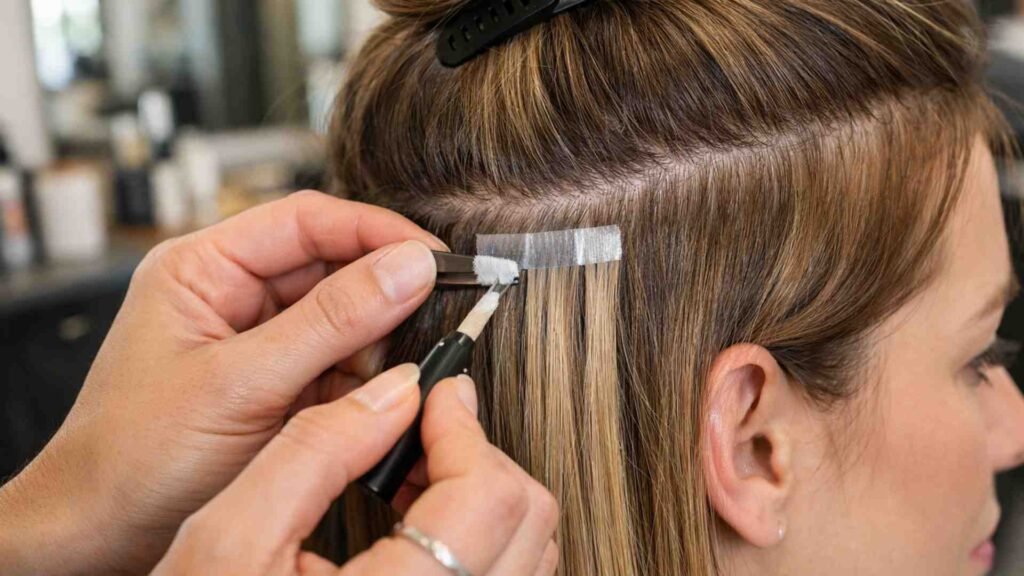
Hair bonding is a cosmetic procedure in which hair extensions or hairpieces are attached to your natural hair or scalp using a special adhesive or bonding glue. Unlike more permanent hair restoration methods such as hair transplants, hair bonding is non-surgical and can be completed quickly, often within a few hours.
This method is commonly used for:
- Adding volume to thin hair
- Covering bald spots
- Enhancing hairstyle instantly
- Achieving longer hair without waiting for natural growth
Hair bonding is especially popular because it delivers immediate results without significant commitment or downtime.
Why Hair Bonding is Temporary
Hair bonding is classified as a temporary solution primarily because of the materials and techniques used. The adhesive or glue applied during the process is designed to hold the hairpiece securely but not permanently.
1. Adhesive Limitations
The bonding glue used in this process is strong but not permanent. It is formulated to last for a limited duration—typically 1 to 4 weeks, depending on factors like scalp condition, hair type, and maintenance routine.
2. Natural Hair Growth
As your natural hair grows, the bonded extensions or hairpieces begin to shift away from the scalp. This makes the bond weaker over time and eventually requires removal or reapplication.
3. Daily Wear and Tear
Activities such as washing, sweating, brushing, and styling gradually weaken the adhesive. Exposure to oils, heat, and environmental factors also reduces the longevity of the bond.
4. Scalp Health
Keeping bonded hair for too long can lead to scalp irritation or hygiene issues. Therefore, it is recommended to remove and reapply the bonding periodically.
How Long Does Hair Bonding Last?
The lifespan of hair bonding varies depending on how well it is maintained. On average:
- Short-term bonding: 1–2 weeks
- Moderate durability: 2–3 weeks
- Maximum duration: Up to 4 weeks (with excellent care)
However, keeping bonded hair beyond the recommended time can damage your natural hair or scalp.
Factors Affecting Hair Bonding Duration
Several factors influence how long your hair bonding will last:
- Quality of Adhesive: Professional-grade adhesives last longer and provide a stronger hold compared to cheaper alternatives.
- Hair Type: Oily scalps tend to break down adhesive faster, reducing the lifespan of the bond.
- Lifestyle: Frequent workouts, swimming, or exposure to humidity can weaken the bond more quickly.
- Maintenance Routine: Proper care, such as avoiding excessive oil-based products and gentle handling, can extend the duration.
Advantages of Hair Bonding
Hair bonding is widely chosen because of its numerous benefits:
- Instant Results: One of the biggest advantages is the immediate transformation. You can walk into a salon with thin hair and leave with a full, voluminous look.
- Non-Invasive: Unlike surgical options, hair bonding does not involve cuts, stitches, or recovery time.
- Affordable: Hair bonding is generally more budget-friendly compared to permanent hair treatments.
- Customizable: You can choose different styles, lengths, textures, and colors according to your preference.
Disadvantages of Hair Bonding
While hair bonding offers many benefits, it also has some limitations:
- Temporary Nature: Since it does not last long, it requires frequent maintenance and reapplication.
- Risk of Hair Damage: Improper application or removal can lead to hair breakage or scalp irritation.
- Limited Styling Options: Excessive heat styling or chemical treatments can weaken the bond and reduce its lifespan.
- Maintenance Effort: You need to follow specific care routines to keep the bonded hair intact.
How to Maintain Hair Bonding
To maximize the lifespan of your hair bonding, proper care is essential. Here are some useful tips:
- Avoid Excessive Moisture: Try to limit exposure to water, especially during the first 48 hours after application.
- Use Gentle Products: Choose sulfate-free and oil-free shampoos and conditioners.
- Be Careful While Brushing: Use a wide-tooth comb and avoid pulling or tugging at the bonded areas.
- Limit Heat Styling: High temperatures can weaken the adhesive, so minimize the use of straighteners and curling irons.
- Sleep Carefully: Consider using a silk or satin pillowcase to reduce friction and maintain the bond.
Hair Bonding vs Permanent Solutions
To better understand why hair bonding is temporary, it helps to compare it with permanent alternatives:
| Feature | Hair Bonding | Hair Transplant |
|---|---|---|
| Duration | Temporary | Permanent |
| Procedure | Non-surgical | Surgical |
| Cost | Affordable | Expensive |
| Maintenance | Frequent | Minimal |
| Results | Immediate | Takes months |
Permanent methods like hair transplants involve relocating hair follicles, which continue to grow naturally. In contrast, hair bonding simply attaches external hair using adhesive, making it inherently temporary.
Who Should Choose Hair Bonding?
Hair bonding is ideal for individuals who:
- Want a quick and temporary style change
- Are not ready for permanent treatments
- Have mild to moderate hair thinning
- Need a short-term solution for events or occasions
It is particularly useful for those experimenting with different looks before committing to a long-term option.
Final Verdict: Permanent or Temporary?
Hair bonding is clearly a temporary solution. While it offers instant and impressive results, it does not provide long-term permanence. The adhesive used in the process naturally degrades over time, and the bonded hair needs regular maintenance and reapplication.
However, its temporary nature can also be seen as an advantage. It allows flexibility, enabling users to change styles frequently without long-term commitment.