What Is Hair Bonding and How Is It Done?

Hair Bonding

Hair loss is a common concern affecting millions of men and women worldwide. Whether caused by genetics, stress, medical conditions, or lifestyle factors, hair thinning and baldness can significantly impact confidence and self-esteem. While surgical treatments like hair transplantation exist, not everyone is ready for surgery. This is where hair bonding comes in as a popular, non-surgical hair replacement solution.

What Is Hair Bonding?

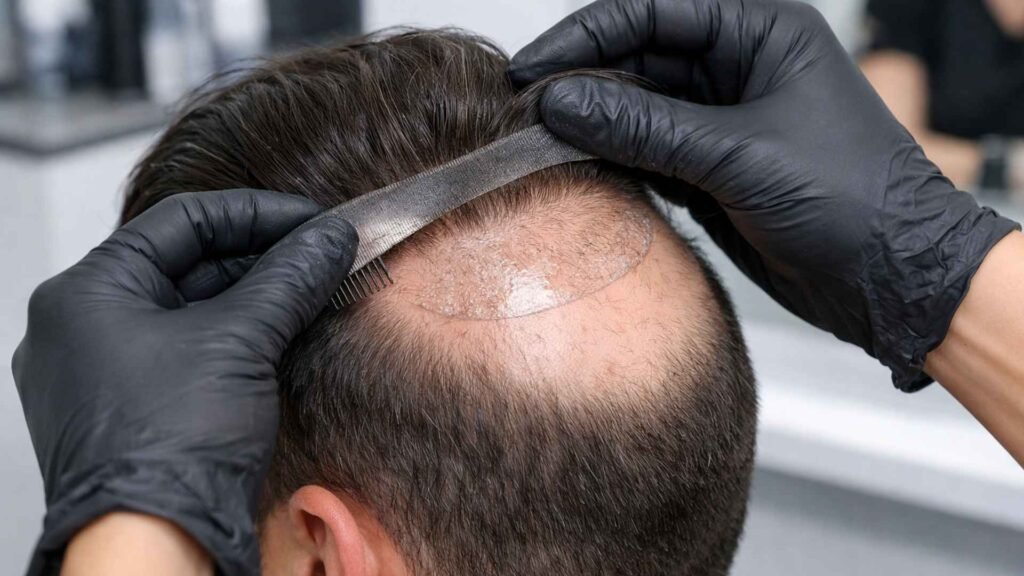
Hair bonding is a non-surgical hair replacement technique in which a customized hair system (also called a hair patch or hair unit) is attached to the scalp using special medical-grade adhesives or tapes. The hair system is designed to blend seamlessly with your natural hair, giving a natural and realistic appearance.

Unlike wigs, hair bonding is semi-permanent and fixed securely to the scalp, allowing users to perform daily activities such as bathing, exercising, and styling without worry.

Hair bonding is commonly chosen by people experiencing:

  • Male or female pattern baldness
  • Partial hair loss
  • Alopecia
  • Hair thinning due to medical treatments
  • Scalp scars or patches

How Does Hair Bonding Work?

The hair bonding process is straightforward and painless when performed by trained professionals. Below is a step-by-step explanation:

1. Scalp Analysis and Consultation

The process begins with a detailed scalp examination. Professionals assess:

  • Degree of hair loss
  • Scalp condition
  • Hair texture, color, and density

Based on this analysis, a customized hair system is designed to match your natural hair perfectly.

2. Scalp Preparation

Before bonding, the scalp is thoroughly cleaned and shaved (only in the affected area). This ensures:

  • Strong adhesion
  • Better hygiene
  • Longer-lasting results

Any oil, sweat, or dirt is removed to help the adhesive bond effectively.

3. Hair System Customization

The hair patch is custom-made or selected to match:

  • Hair color
  • Curl pattern or straight texture
  • Hair density
  • Head shape

High-quality human or synthetic hair is used for a natural look.

4. Application of Adhesive

Medical-grade adhesive or double-sided tape is carefully applied to the scalp or the base of the hair system. These adhesives are skin-safe and designed for long-term use.

5. Bonding the Hair System

The hair system is gently placed on the scalp and pressed firmly to ensure proper bonding. Professionals make precise adjustments to ensure comfort and alignment.

6. Styling and Finishing

Once attached, the hair is cut, styled, and blended with existing hair. You can choose your preferred hairstyle, length, and volume for a personalized look.

Types of Hair Bonding Systems

There are different types of hair bonding systems available, including:

  • Skin Base Hair Systems – Offer a natural scalp-like appearance
  • Lace Base Systems – Lightweight and breathable
  • Mono Base Systems – Durable and long-lasting
  • Customized Hair Patches – Designed for specific bald areas

The choice depends on lifestyle, budget, and personal preference.

Benefits of Hair Bonding

Hair bonding has become increasingly popular due to its many advantages:

  • Non-surgical and painless
  • Instant results
  • Natural-looking appearance
  • Affordable compared to hair transplant surgery
  • Customizable styles and density
  • No downtime or recovery period
  • Safe and reversible

You can walk out with a full head of hair on the same day!

How Long Does Hair Bonding Last?

The durability of hair bonding depends on:

  • Quality of adhesive
  • Scalp type (oily or dry)
  • Lifestyle and physical activity
  • Maintenance routine

Typically, hair bonding lasts 3 to 6 weeks before re-bonding or maintenance is required. With proper care, the hair system itself can last 6 months to 1 year or more.

Hair Bonding Maintenance Tips

To ensure longevity and a natural appearance, follow these tips:

  • Avoid excessive sweating for 24–48 hours after bonding
  • Use sulfate-free and mild shampoos
  • Avoid scratching the bonded area
  • Schedule regular maintenance appointments
  • Do not use excessive heat styling tools
  • Gently comb and detangle the hair

Proper care helps maintain both hygiene and appearance.

Is Hair Bonding Safe?

Yes, hair bonding is generally safe when performed by trained professionals using medical-grade adhesives. However, individuals with sensitive skin or allergies should inform the specialist during consultation. Regular scalp cleaning and maintenance reduce the risk of irritation or infection.

Who Is Hair Bonding Suitable For?

Hair bonding is ideal for:

  • People with partial or advanced hair loss
  • Individuals not eligible for hair transplant
  • Those looking for a quick, non-invasive solution
  • Men and women of all age groups

It is especially beneficial for those who want instant cosmetic improvement without surgery.

Hair Bonding vs Hair Transplant

Feature Hair Bonding Hair Transplant
Procedure Non-surgical Surgical
Results Immediate Takes months
Cost Affordable Expensive
Downtime None Several weeks
Reversible Yes No

Final Thoughts

Hair bonding is an effective, affordable, and non-surgical solution for people struggling with hair loss. With instant results, natural appearance, and customizable options, it has become a preferred choice for many individuals. When done by experienced professionals and maintained properly, hair bonding can restore confidence and enhance overall appearance. If you’re looking for a safe and instant hair loss solution, hair bonding might be the perfect option for you.