Hair fixing has become a game-changer for people dealing with hair loss, thinning, or receding hairlines. Modern hair fixing systems look incredibly natural, boost confidence instantly, and allow you to live life without constantly worrying about your appearance.
However, the secret to making your hair fixing system look flawless and long-lasting lies in proper maintenance. Without the right care, even the most premium hair system can lose its shine, fit, and realism.
In this guide, I’ll walk you through essential hair fixing maintenance tips that will help you extend the life of your system, keep it comfortable, and ensure it always looks natural—day after day.
1. Understand Your Hair Fixing System First
Not all hair fixing systems are the same. Some are made from natural human hair, while others use synthetic fibers. Maintenance requirements vary based on:
-
Hair type (human vs synthetic)
-
Base material (lace, skin, mono, or hybrid)
-
Attachment method (adhesive, tape, or clips)
Before you start any care routine, understand what your system needs. Following a one-size-fits-all approach can reduce its lifespan.
Pro tip: Always follow the guidance given by your hair technician or clinic—they know your system best.
2. Clean Your Scalp Regularly (This Is Non-Negotiable)
A clean scalp is the foundation of a long-lasting hair fixing system. Sweat, oil, and dirt buildup can weaken adhesives and cause discomfort.
Best practices:
-
Clean your scalp every 7–14 days, depending on your lifestyle
-
Use a mild, sulfate-free cleanser
-
Ensure your scalp is completely dry before reattachment
A healthy scalp not only improves adhesion but also prevents itching, odor, and skin irritation.
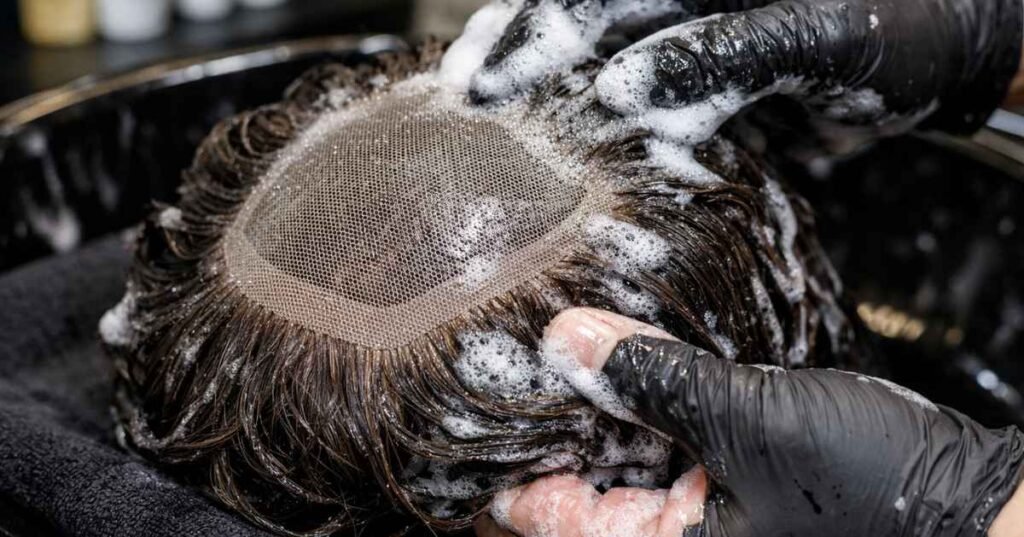
3. Wash Your Hair System the Right Way
Overwashing is one of the biggest mistakes people make with hair fixing systems.
How often should you wash?
-
Human hair systems: Once or twice a week
-
Synthetic systems: Once every 10–14 days
Washing tips:
-
Use lukewarm water, never hot
-
Apply shampoo gently—no harsh rubbing
-
Avoid circular scrubbing motions
-
Rinse thoroughly to prevent residue
Conditioning is equally important, but keep conditioner away from the base to avoid loosening the adhesive.
4. Be Gentle While Drying
Wet hair is fragile—especially when it’s part of a hair fixing system.
Do this:
-
Pat dry with a soft microfiber towel
-
Let it air dry whenever possible
-
Use a blow dryer only on low heat
Avoid aggressive towel rubbing. Treat your system like fine silk—it pays off in longevity.
5. Choose the Right Hair Care Products
Using the wrong products can damage the hair fibers and weaken the base.
Avoid:
-
Sulfates
-
Alcohol-based styling products
-
Heavy waxes or gels
Use instead:
-
Sulfate-free shampoos
-
Lightweight leave-in conditioners
-
Water-based styling creams
High-quality products keep the hair soft, manageable, and realistic.
6. Brush Smart, Not Hard
Brushing incorrectly can lead to unnecessary hair shedding.
Smart brushing rules:
-
Use a wide-tooth comb or soft bristle brush
-
Start from the ends and move upward
-
Never brush wet hair aggressively
Brushing gently once or twice a day is enough to keep your hair system neat and tangle-free.
7. Protect Your Hair Fixing System While Sleeping
Nighttime friction is an underrated cause of hair system damage.
Simple nighttime habits:
-
Use a silk or satin pillowcase
-
Tie longer hair loosely before bed
-
Avoid sleeping with wet hair
These small changes reduce tangling, dryness, and unnecessary stress on the hair fibers.
8. Be Careful with Heat and Styling Tools
Yes, you can style your hair—but moderation is key.
Heat styling guidelines:
-
Always use a heat protectant spray
-
Keep tools below 180°C (350°F)
-
Avoid daily use of straighteners or curlers
Excessive heat shortens the lifespan of your hair fixing system and dulls its natural finish.
9. Schedule Regular Professional Maintenance
Even with the best home care, professional maintenance is essential.
Why it matters:
-
Adhesives are refreshed
-
Fit and alignment are corrected
-
Minor repairs prevent major damage
Visiting your hair clinic every 4–6 weeks ensures your system stays secure, natural, and comfortable.
10. Adjust Your Routine Based on Lifestyle
Your environment and habits affect maintenance frequency.
-
Gym or sports: Clean scalp more often
-
Hot and humid climate: Stronger adhesives may be needed
-
Swimming: Use a protective cap and rinse hair immediately
Being proactive helps your hair fixing system adapt to your lifestyle—not the other way around.
Final Thoughts: Consistency Is the Real Secret
A hair fixing system is an investment—in your appearance and confidence. With the right maintenance routine, it can look natural, feel comfortable, and last significantly longer than expected. The golden rule? Be gentle, be consistent, and don’t skip professional care. When treated well, your hair fixing system won’t just restore hair—it will restore confidence.